
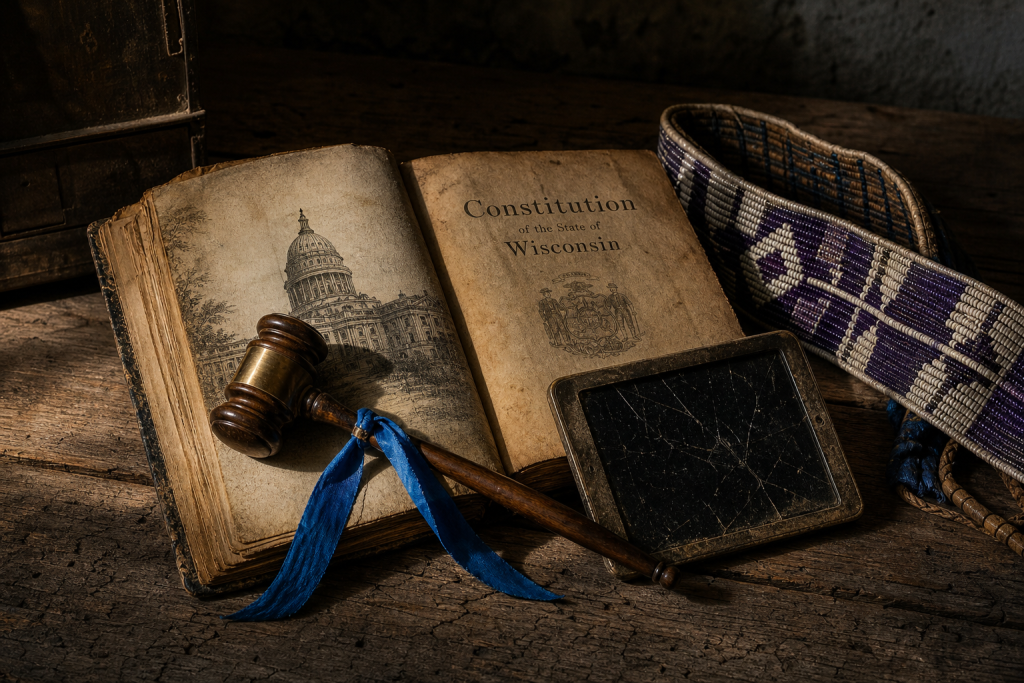
Wisconsin Sports Betting Delayed: Lawsuit Pushes Launch Past Spring 2027
When will online sports betting officially launch in Wisconsin?
If you were hoping to bet on the Packers from your couch this winter, you’re out of luck. Wisconsin made mobile sports betting legal in April 2026, but a lawsuit filed over the summer has frozen the rollout. The judge in the case won’t hear oral arguments until April 20, 2027, and he expects to rule a few weeks after that. Even a win for the state in May wouldn’t switch anything on. The tribes that will run the market still need new gaming compacts, and those need federal approval. Realistically, the earliest anyone in Wisconsin will place a legal bet on their phone is late 2027.
Current legal status as of November 2026
Gov. Tony Evers signed Assembly Bill 601 on April 9, 2026. The Senate had passed it in March by a 21-12 vote, with 12 Democrats and nine Republicans voting yes, an unusual coalition. The bill is now 2025 Wisconsin Act 247, and it made Wisconsin the 33rd state to legalize some form of online sports betting.
The law doesn’t license sportsbooks the way most states do. Instead, it changes the state’s legal definition of a “bet”: a sports wager isn’t illegal gambling as long as the bettor is in Wisconsin and the server processing it sits on tribal land. Only the state’s 11 federally recognized tribes can run it.
That’s the setup the Wisconsin Institute for Law and Liberty challenged on August 5. The state Department of Justice is defending the law, and on November 9, Waukesha County Judge J. Arthur Melvin allowed eight tribes to join the case to help defend it. Until the court rules, nothing changes. In-person betting at tribal casinos is legal. Betting from your phone anywhere else in the state is not.
Impact on the 2026-2027 sports calendar
This is a sports-mad state, so the delay lands hard. The rest of the Packers’ 2026 season will play out with no legal local app. So will Badgers and Marquette basketball, including March Madness. A Bucks playoff run would come before a ruling is even expected. The Brewers, who publicly supported the bill, will play most or all of their 2027 season under the current rules.
The launch math isn’t encouraging. A ruling in May is only the start. Analysts expect setup to take about six months once the legal path is clear, which points to around November 2027 at best. That would also mean missing the start of the 2027 NFL season. If the state loses, or the case gets stuck in appeals, mobile betting probably won’t arrive before 2028.
Why is the Wisconsin sports betting launch facing legal challenges?
The short answer is that the Wisconsin Constitution has strict language on gambling, and opponents say the Legislature broke it. The longer answer involves a conservative law firm, two taxpayer groups, a federal equal protection claim and a constitutional amendment voters approved on Election Day.
The role of the Wisconsin Institute for Law and Liberty
WILL is a conservative public-interest law firm based in Milwaukee. It filed the suit in Waukesha County Circuit Court for two clients, the Brown County Taxpayers Association and Citizens Defending Liberty. The defendants include Evers and the officials who oversee gaming in the state, among them Division of Gaming Administrator John Dillett.
WILL wants the court to do three things:
- Declare the law unconstitutional
- Block the governor from negotiating updated tribal compacts
- Stop state officials from authorizing statewide online betting
Attorney Lucas Vebber has said the suit isn’t trying to unwind the existing compacts that cover tribal casinos, and that no sports betting companies are involved in the case. Not everyone at WILL has sounded so restrained. Earlier in the year, WILL attorney Dan Lennington suggested on social media that a lawsuit could end up calling all gaming in Wisconsin into question, not just online betting.
The state’s first response, in September, was procedural. The DOJ argued that the Brown County Taxpayers Association doesn’t have standing to sue. The tribes had also asked the court to throw the case out before Melvin let them in as intervenors. The eight tribes that joined include the Oneida Nation, the Menominee Indian Tribe of Wisconsin, the Sokaogon Chippewa Community and the Stockbridge-Munsee Community.
Constitutional arguments against the new law
WILL’s central claim is that the Wisconsin Constitution puts a firm limit on the Legislature’s power to authorize more gambling. In WILL’s view, lawmakers tried to get around that limit by redefining a “bet” instead of openly authorizing a new form of gambling. WILL says the method doesn’t matter, because the Legislature never had the authority in the first place.
The second claim is federal. Because the law gives statewide mobile betting rights only to tribes, WILL argues it treats people differently based on race, which would violate the U.S. Constitution’s equal protection clause. The complaint also points to public opinion: in a Marquette Law School poll from February, 64% of Wisconsinites opposed legalizing online sports betting.
Then came Election Day. On November 3, voters approved Question 3, a constitutional amendment that bars the state from discriminating against, or giving preferential treatment to, anyone based on race, sex, color, ethnicity or national origin. Vebber has said WILL will add a Question 3 claim when it amends its complaint in December. Some analysts think this could decide the case. If Melvin finds that letting tribes take bets from people off tribal land is the kind of preference Question 3 bans, WILL becomes the favorite. If he rejects that argument, the state and the tribes are in a strong position.
How does the tribal gaming compact structure affect market access?
Every legal casino in Wisconsin already runs under a compact between the state and a tribe, and the tribes have exclusive gaming rights. Act 247 carries that model online. No company can get a Wisconsin sportsbook license on its own, which makes this one of the most closed markets in the country.
Tribal exclusivity vs commercial operators
In New Jersey or Pennsylvania, any operator that meets the licensing requirements can launch, which is why bettors there have a long list of apps to choose from. Wisconsin went the other way. After Florida, it’s the second state to adopt the “hub-and-spoke” model, where tribes hold the rights and everyone else has to go through them. In Florida, that produced a near-monopoly: the Seminole Tribe’s Hard Rock Bet is the only statewide sportsbook. Any other brand would have to give the tribe a large share of its revenue.
That revenue split is the sticking point. Under federal Indian gaming law, at least 60% of online sportsbook revenue has to stay with the tribe. That’s why the Sports Betting Alliance, whose members include FanDuel, DraftKings, BetMGM and Bet365, fought AB 601. The group told lawmakers that going through the tribes would leave consumers with limited choices. It has pushed instead for a constitutional amendment that would open the market to all operators.
There’s an irony here. If WILL wins and the tribal model falls, the companies that opposed the law could come out the biggest winners, even though they’re not part of the lawsuit.
Physical presence requirements for bettors
The legal idea behind hub-and-spoke is about where a bet takes place. Under the law, a wager counts as placed where the server accepts it, not where the bettor is standing. So a bet you place from your kitchen in Madison is, legally, a bet placed on tribal land.
You still have to be inside Wisconsin, though. Apps will use geolocation to confirm you’re within state lines, as they do in every other state. Cross into Illinois and a Wisconsin app should stop taking your bets.
Other details haven’t been settled yet, such as whether you’ll be able to open an account remotely or will have to visit a casino first. Those terms will come out of the compact negotiations. Florida uses the same model and lets bettors sign up from their phones, so that’s a reasonable guess for Wisconsin too.
Which operators are preparing to enter the Wisconsin market?
As of November, no national sportsbook has announced a deal to run a statewide mobile app in Wisconsin. The groundwork that does exist is mostly tribes building up their own brands and technology.
Key partnerships between tribes and tech platforms
Wisconsin’s tribes collectively run more than 20 casinos, and several of them already have sportsbooks with technology partners behind them:
- Oneida Nation: launched the state’s first sportsbook in 2021 on IGT’s PlaySports platform, for retail betting and on-site mobile betting.
- Forest County Potawatomi Community: signed a sportsbook deal with Kambi.
- St. Croix Chippewa: also went with IGT.
Potawatomi made the biggest move this year. In June 2026, Potawatomi Sportsbook became the Green Bay Packers’ official sportsbook partner. The multi-year deal includes naming rights to Lambeau Field’s south gate. Being tied to the state’s biggest team would give it a head start if mobile betting launches.
DraftKings has a foot in the door too, but only in retail. In 2024 it announced a partnership with the Lac du Flambeau Band of Lake Superior Chippewa Indians to open a retail sportsbook at Lake of the Torches Resort Casino.
Expected initial operator lineup
Each tribe can offer online betting in one of two ways. It can partner with a wagering operator, or it can use a “white label” setup, where a tech provider runs the platform but the app carries the tribe’s brand. Given the 60% revenue rule, white label looks like the more likely route for most tribes, at least at first. Expect casino names Wisconsin bettors already know, not the big national apps.
The harder part may be getting 11 tribes to agree. At one end are large operators like the Ho-Chunk Nation, the Oneida Nation and Potawatomi, which run several casinos near Milwaukee, Madison and Green Bay. At the other are tribes like the Red Cliff Band of Lake Superior Chippewa, which runs one small casino. Evers made clear he wouldn’t accept a setup that widens the gap between bigger and smaller tribes. In April, Oneida chairman Tehassi Hill said tribes that have always competed with each other would need to start helping each other succeed. Governor-elect David Crowley will now be the one handling that balancing act.
Fewer apps usually means less competition on odds and promotions. When the market opens, compare lines across every app that launches.
What options do Wisconsin residents have while waiting for legalization?
For now, you have two legal options. You can bet in person at a tribal casino, or you can cross the state line. Illinois, Iowa and Michigan all have legal mobile betting, and you can use their apps as long as you’re physically in that state when you bet. Everything else is a gray area or worse.
Visiting tribal retail sportsbooks
In-person sports betting has been legal in Wisconsin since 2021, when the Oneida Nation opened the first sportsbook at its main casino near Green Bay. Oneida has also offered mobile betting through its own app, but only while you’re on its reservation.
The Forest County Potawatomi Community added sports betting kiosks at its Milwaukee and Carter casinos in 2023. In 2024 it opened Potawatomi Sportsbook in Milwaukee, a 6,500-square-foot venue billed as the largest retail sportsbook in the Midwest. The St. Croix Chippewa take bets too, including at their Turtle Lake casino. Other tribes have been adding sportsbooks through their own compact amendments.
If you live near one of these casinos, it’s the safest way to bet on your teams right now.
Risks of unregulated offshore sites
Offshore sportsbooks will happily take bets from Wisconsin, but no U.S. state licenses them. If one freezes your account or refuses to pay out, there’s no regulator to complain to and little chance of getting your money back. That’s a lot of risk just to avoid a drive to the casino.
Prediction markets are a different kind of gray area. Platforms like Kalshi offer sports event contracts that work a lot like bets, and you can use them in Wisconsin. But the state DOJ sued Kalshi and other prediction markets this year, arguing that their sports contracts are illegal betting, and the Oneida Nation publicly backed that move. The Ho-Chunk Nation is also suing Kalshi in federal court, and a judge has allowed that case to go ahead. Until those cases are resolved, treat prediction markets as legally uncertain.
What are the next critical dates for Wisconsin betting legislation?
The court schedule is now set, with the key dates running from December to May. After that, it depends on who wins and whether the losing side appeals.
Expected court ruling timeline
Judge Melvin set out the calendar at the November 9 hearing:
- December 2026: WILL files its amended complaint, expected to add the Question 3 claim.
- February and March 2027: Both sides file legal briefs.
- April 20, 2027: Oral arguments.
- May 2027: Melvin expects to rule a few weeks after arguments.
One more date falls in the middle of all this. Crowley takes office in January, so he, not Evers, will lead compact negotiations with the tribes if the law survives. Crowley is a Democrat like Evers but hasn’t taken a public position on sports betting. His Republican opponent, Tom Tiffany, openly opposed expanding gambling, so supporters of the law saw Crowley’s win as a small relief.
Potential appeal scenarios
A circuit court ruling is unlikely to be the final word. Whichever side loses can appeal, which would add months and could send the case all the way to the Wisconsin Supreme Court. The schedule could also change if the tribes try to move the dispute from state court to federal court.
Roughly, the outcomes break down like this:
- Melvin upholds the law, and his reasoning looks likely to survive an appeal: compact talks can move ahead, and a launch around November 2027 is possible.
- Melvin strikes the law down: mobile betting probably won’t be widely available before 2028. It could be much later if lawmakers have to start over with a constitutional amendment.
Frequently Asked Questions
Is sports betting legal in Wisconsin right now?
Retail sports betting is legal in Wisconsin, but only at physical locations on tribal lands. Online sports betting is not yet legal. As of November 2026, no mobile wagering market is operational. A lawsuit filed by the Wisconsin Institute for Law and Liberty in August 2026 challenges the constitutionality of the law that would allow online betting. Oral arguments are set for April 20, 2027, meaning any launch is delayed until at least spring 2027. For now, you can place bets in person at tribal casinos, but not from your phone or computer elsewhere in the state.
Can I bet on sports online in Wisconsin in 2026?
No, you cannot bet on sports online in Wisconsin in 2026. Online sports betting remains unavailable due to a pending lawsuit. Governor Tony Evers signed Assembly Bill 601 into law in April 2026 to legalize mobile wagering through tribal compacts, but the Wisconsin Institute for Law and Liberty filed a lawsuit in August 2026 arguing the law violates the state constitution. This legal challenge has paused implementation. Oral arguments are scheduled for April 20, 2027, so no online betting will launch until at least spring 2027. Retail betting at tribal casinos is still legal.
Who is suing to stop Wisconsin sports betting?
The Wisconsin Institute for Law and Liberty (WILL) is suing to stop Wisconsin sports betting. This conservative nonprofit law firm, based in Milwaukee, filed the lawsuit in August 2026 on behalf of the Brown County Taxpayers Association and Citizens Defending Liberty. They argue that Governor Tony Evers exceeded his executive authority by approving mobile betting compacts without proper legislative ratification, violating the Wisconsin Constitution. The Wisconsin Department of Justice is defending the law, and eight tribes have joined as intervenors to protect their interests. Oral arguments are set for April 20, 2027.
Which tribes control sports betting in Wisconsin?
Eight tribes control sports betting in Wisconsin through tribal compacts. These tribes have joined as intervenors in the lawsuit to defend the new law. While the specific tribes are not all named in the article, Wisconsin’s tribal nations, such as the Oneida Nation, Ho-Chunk Nation, and Forest County Potawatomi, have historically operated casinos under the Indian Gaming Regulatory Act. Retail sports betting is currently legal only at their physical locations on tribal lands. Online sports betting, which would expand access, is delayed by the lawsuit.
Will DraftKings and FanDuel launch in Wisconsin?
DraftKings and FanDuel have not yet launched in Wisconsin, and no launch date is set. Online sports betting is delayed due to a lawsuit filed by the Wisconsin Institute for Law and Liberty in August 2026. Oral arguments are scheduled for April 20, 2027. Even after a favorable ruling, industry experts estimate it takes about six months to launch mobile sports betting, meaning a summer or fall 2027 launch at the earliest. Operators like DraftKings and FanDuel have partnered with tribal nations but cannot finalize market entry without legal certainty. For now, they are not available in Wisconsin.
When will online sports betting launch in Wisconsin?
Online sports betting in Wisconsin is not expected to launch until at least spring 2027, and likely later. A lawsuit filed by the Wisconsin Institute for Law and Liberty in August 2026 has delayed implementation. Oral arguments are set for April 20, 2027. Even after a favorable court ruling, technical integration and regulatory approvals typically take about six months. This means a summer or fall 2027 launch is more realistic, missing the 2027 NCAA March Madness and early MLB season. No online betting is available in 2026.